Any time electrical work is done in Manitoba, it must comply with the Manitoba Electrical Code and be approved through an inspection. Whether you are renovating your home or upgrading a breaker panel, preparing properly for an inspection helps avoid delays and ensures your project passes the first time.
Why Electrical Inspections Matter
Electrical inspections are designed to protect homeowners, contractors, and the public. They confirm that all work meets safety standards, follows the Manitoba Electrical Code, and is completed by licensed electricians. Inspections also reduce the risk of fire, electrical shock, or future system failures.
Required Documentation and Permits
Before inspection day, make sure you have:
- Electrical permits issued by Manitoba Hydro
- Project documentation, such as plans, breaker panel specifications, and load calculations
- Proof that a licensed electrician completed or supervised the work
Missing documentation is one of the most common reasons inspections fail or are delayed.
What Inspectors Will Check
During the inspection, officials review the quality of workmanship and compliance with code requirements. Common focus areas include:
- Breaker panel installation and circuit labeling
- Proper grounding and bonding of electrical systems
- Circuit distribution and load capacity
- GFCI and AFCI protection where required
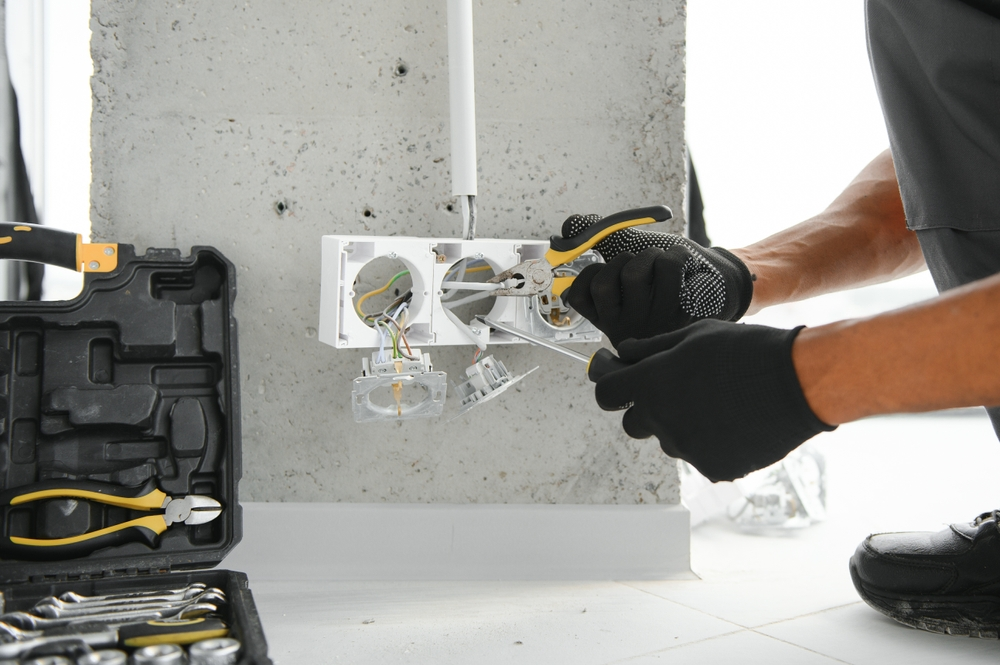
- Condition of wiring, connectors, and visible splices
Inspections cover both safety and functionality, ensuring your system can handle current and future electrical needs.
Common Issues That Cause Failures
Projects may fail inspections if:
- Permits are missing or incomplete
- Panels or wiring do not meet code standards
- Grounding and bonding are not properly installed
- Work was completed by unlicensed contractors
These issues can lead to costly re-inspections and project delays.
Homeowner and Contractor Responsibilities
Both homeowners and contractors play a role in successful inspections:
- Homeowners must ensure permits are obtained and that inspectors can easily access the work area.
- Contractors and electricians must verify that all installations are up to code and ready for inspection before the scheduled date.
Clear communication between both parties reduces the chance of oversights.
Tips to Prepare for a Smooth Inspection
To avoid unnecessary setbacks:
- Confirm permits are filed and approved before booking the inspection
- Use a checklist to ensure breaker panels, outlets, and wiring meet code requirements
- Schedule the inspection early enough to prevent delays in construction timelines
- Ask your electrician to review the project for compliance before the inspector arrives
At Platinum Power Solutions, our licensed team works closely with clients to ensure projects pass inspection without delays. You can review examples of our work on the projects page.
Ensure Safety and Compliance
Preparing for an electrical inspection is about more than passing the first time. It is about ensuring your home or business meets safety standards for years to come. For professional guidance and code-compliant installations, trust Platinum Power Solutions.